



Shree Lakshmi Nrisimha Devasthan Trust
Peace • Devotion • Community
"Dakshina Prayag — The Meeting of Two Sisters"
Nestled at the "Priti-Sangam"—the loving confluence where the Nira and Bhima rivers embrace—Nira Narsinghpur is a land where nature and divinity merge. Historically known as a peninsula (Cape), this sacred town is surrounded by water on three sides, creating a natural fortress of spirituality.
As mentioned in the Padma Purana, this region is the "Navel of the Earth." While the Bhima river symbolizes the removal of fear, the Nira represents health and purity. Together, they create a 'Triveni Sangam' with the Gupta Ganga (Hidden Saraswati) that seeps year-round from the base of the temple spire.
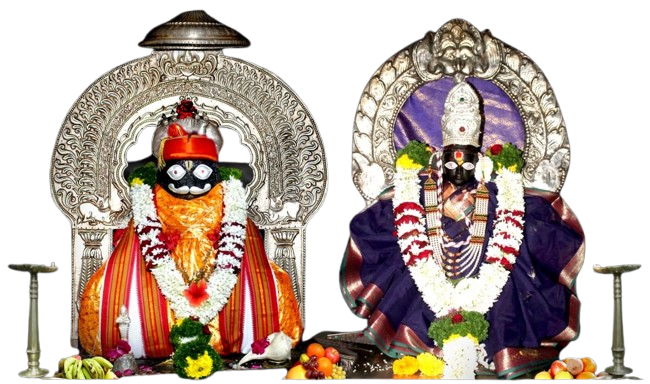
Lord Narasimha here is not just an idol but a "Living Presence." The sandstone (Waluka-shila) idol, worshipped by the child-devotee Prahlad, sits in the Veerasana posture. This form is a unique confluence of the Raudra (fierce) valor to destroy evil and Vatsalya (parental affection) to protect the innocent.
Padma Purana (Nrisinghpur Mahatya):
सुदर्शनमित्याभिहितं क्षेत्रं यद् वेदविव्द्रेः | तन्नाशभिरेषभूगर्भे क्षेत्रराजो विराजते |
"What the Vedas describe as the Sudarshaniya Kshetra is the Kshetraraj, seated at the earth’s navel."
This ancient spiritual truth was echoed by modern science. Geologists surveying the nearby Bhivarwangi concluded that this specific region acts as a central geological point of the earth’s breadth.
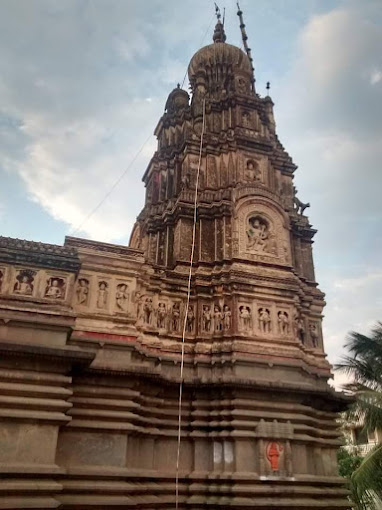
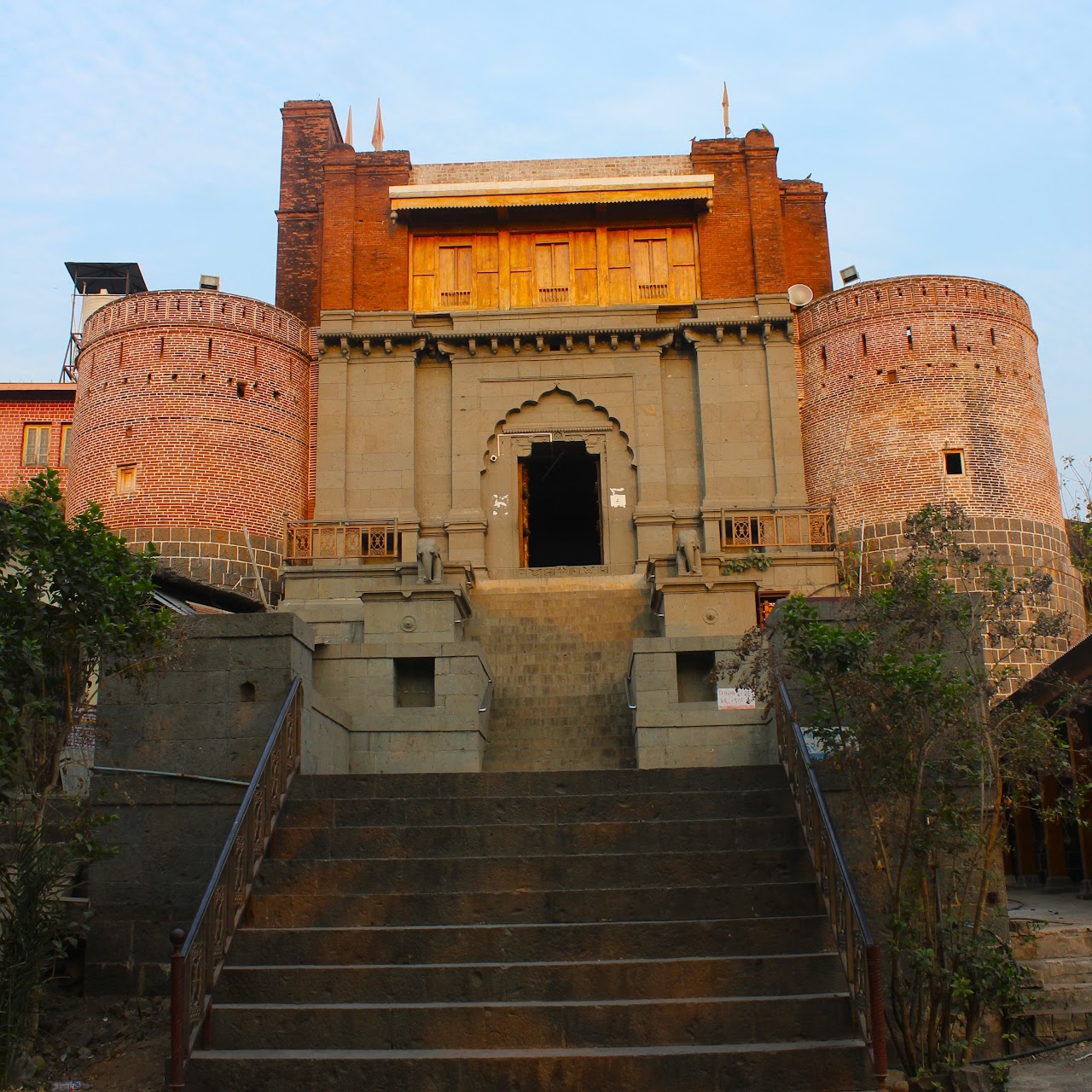
Sardar Vitthal Shivdev Vinchurkar builds the current Chirebandi temple at a cost of 7 Lakh Rupees.
The era of trials. The village survives the Great Plague and the massive floods of 1956.
The Devasthan Trust consolidates, leading a modern revival and restoration of the "Dakshina Prayag".